
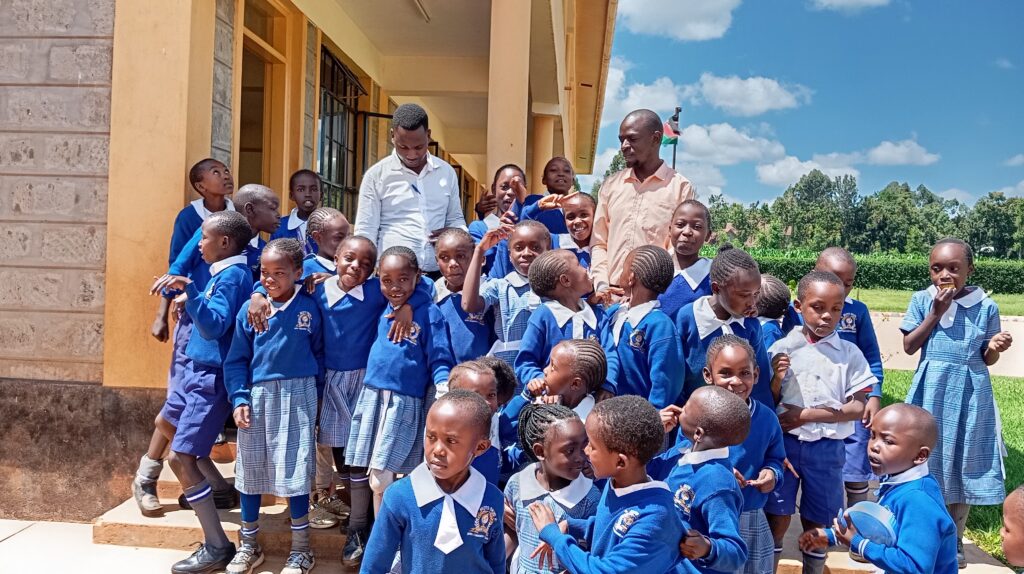
Education shapes how a child understands the world and their place in it. Long before a student can name a career goal or picture life as an adult, school is already teaching them how to think, how to relate to other people, and how to trust their own ability to solve a problem. These early years set patterns that carry into adulthood, which is why consistent, quality schooling in childhood matters so much.
Building the Foundation for Thinking
Young children absorb information at a remarkable pace. Reading, mathematics, and basic science taught in the primary years give a child the tools to reason through everyday situations, from managing money to understanding cause and effect. A child who learns to read fluently by age eight or nine has access to every subject that follows; a child who struggles with reading tends to fall behind across the board, regardless of natural ability. Early literacy and numeracy are the entry point for everything else a school offers.
Beyond academics, classrooms teach children how to ask questions, test ideas, and accept correction without feeling defeated. These habits of mind are difficult to build later in life if they are not practiced early.
Social and Emotional Growth
School is often a child’s first sustained experience outside the family, and it teaches lessons that a household alone cannot. Sharing space and resources with classmates, resolving small conflicts, working in groups, and following a routine set by someone other than a parent all build a child’s ability to function in a wider community. Children who attend school regularly tend to develop stronger communication skills and a clearer sense of their own responsibilities, both to themselves and to others around them.
At Akoto Dalizu Premier Academy, this shows up in the daily rhythm of the school: children eating meals together, working through the CBC curriculum’s project-based activities in groups, and taking part in games and co-curricular time. These moments matter as much as the lessons written on the board.
Confidence and Opportunity
A child who does well in school, even in small, steady ways, builds a sense of their own competence that extends into other parts of life. This confidence tends to compound. A student who learns they can improve at something difficult through effort is more likely to apply that same persistence to future challenges, whether academic, vocational, or personal.
Education also widens the range of paths available to a child later on. A student who completes primary and junior secondary school with a solid foundation has options: continuing to senior school, pursuing a technical or vocational pathway, or eventually entering the workforce with skills employers value. Without that foundation, those choices narrow considerably.
The Role of Consistency
Children benefit most from education that is steady and uninterrupted. Gaps caused by illness, family hardship, or lack of school fees can set a child back in ways that take years to recover from, particularly in a system like Kenya’s Competency-Based Curriculum, which builds skills progressively from one grade to the next. This is part of why our sponsorship model at Akoto Dalizu focuses on covering a full year of tuition, meals, and materials at once: it removes the uncertainty that so often interrupts a child’s schooling mid-term.
A Simple Truth
Every child who walks into a classroom is building the person they will become. Teachers, parents, and communities that take this seriously, by showing up consistently and making sure a child’s basic needs are met alongside their education, give that child a genuine chance to grow into their full potential. That is the work happening every day at Akoto Dalizu Premier Academy, one student and one lesson at a time.